Land Clearing for New Construction: Steps, Costs, & Environmental Considerations
From Trees to Foundation: The Essentials of Land Clearing
When planning a new construction project, one of the first—and most important—steps is land clearing. Whether you’re building a home, installing a driveway, or developing a commercial property, properly preparing the site lays the foundation for everything that follows. Done right, land clearing improves safety, ensures structural stability, and helps your project stay on schedule.
At P & R Tree Service, we understand that effective land clearing is more than just removing trees—it’s about preparing your property responsibly and efficiently for long-term success.
What Is Land Clearing?
Land clearing is the process of removing trees, brush, stumps, rocks, and other obstacles from a property to make it suitable for construction or development. It often includes additional steps like grading, debris removal, and soil preparation.
This process is essential for:
- Creating a stable building surface
- Improving access for construction equipment
- Preventing future drainage or foundation issues
- Enhancing property usability and value
Professional land clearing services use specialized equipment and techniques to complete the job safely and efficiently, minimizing risk and delays.
Key Steps in the Land Clearing Process
1. Site Evaluation & Planning
Every project begins with a detailed assessment of the property. This includes identifying:
- Trees and vegetation to remove or preserve
- Terrain challenges (slopes, rocky areas, wetlands)
- Utility lines or underground obstacles
Proper planning ensures compliance with local regulations and helps avoid costly mistakes later.
2. Permits & Regulations
Depending on your location, permits may be required—especially if your property includes protected areas like wetlands or conservation zones. Working with professionals ensures your land clearing project meets all legal and environmental requirements.
3. Tree & Brush Removal
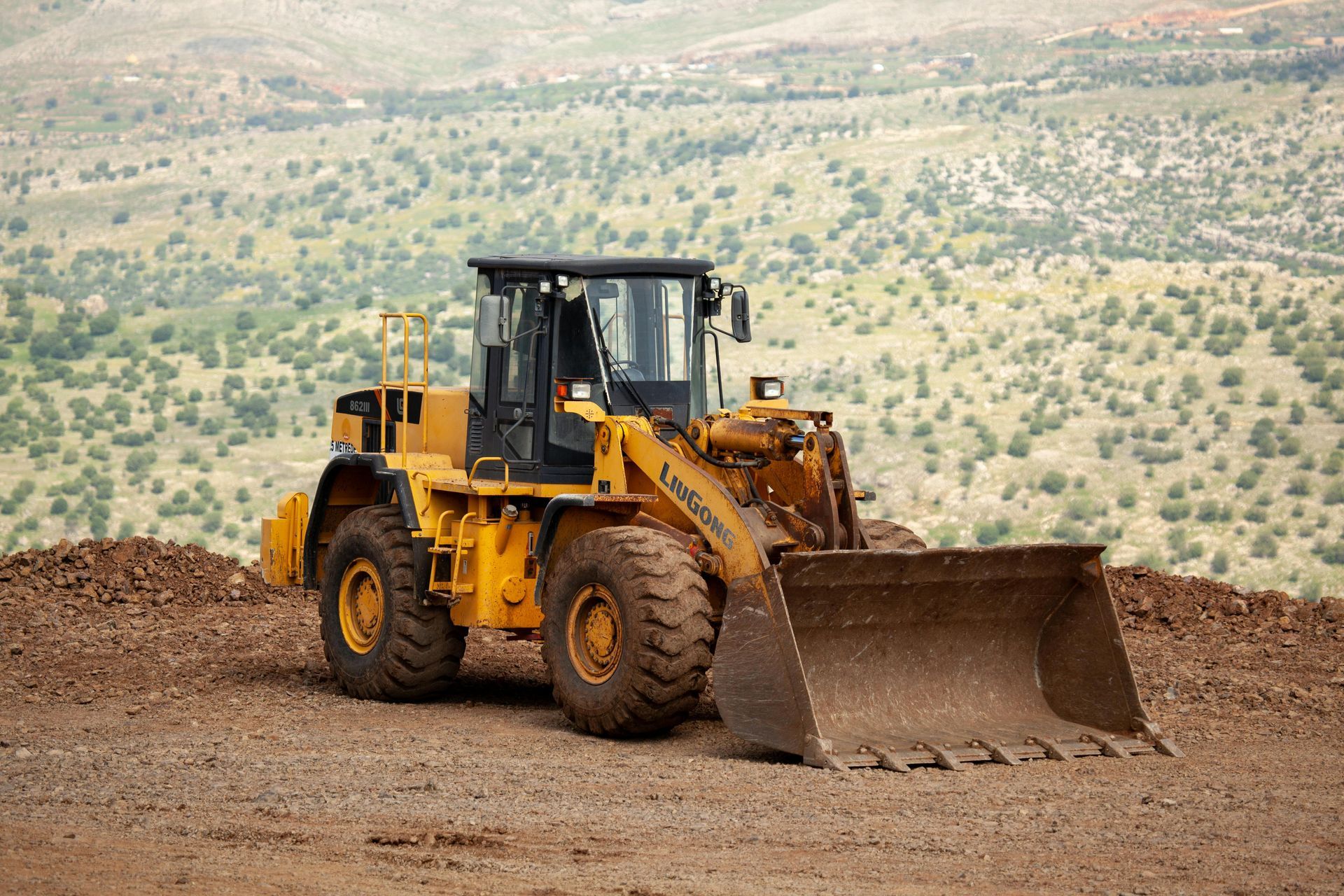
This phase involves cutting and removing trees, shrubs, and dense vegetation. Heavy-duty equipment like excavators, mulchers, and chainsaws are typically used to handle large or heavily wooded areas efficiently.
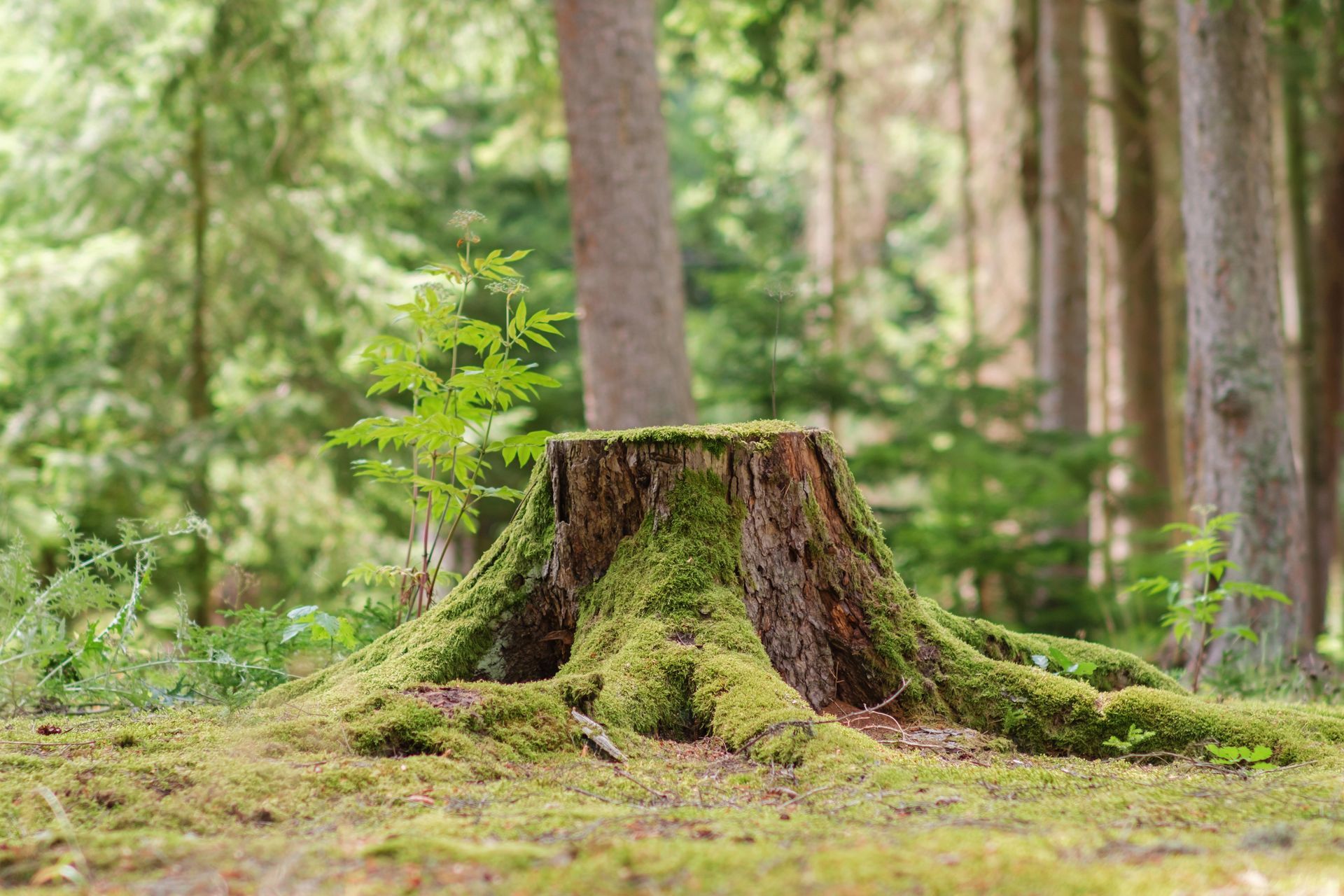
4. Stump Removal & Grinding
Leftover stumps can interfere with construction and cause long-term issues. Stump grinding or full removal ensures a clean, level surface for building.
5. Debris Removal & Disposal
Cleared materials—such as logs, branches, and brush—must be properly disposed of or repurposed (e.g., mulching or firewood). Proper debris management keeps the site clean and reduces environmental impact.
6. Grading & Soil Preparation
Once the land is cleared, grading ensures proper drainage and a level foundation. This step is critical for preventing erosion, water pooling, and structural issues down the line.
How Much Does Land Clearing Cost?
The cost of land clearing can vary widely depending on several factors:
Key Cost Factors
- Property size – Larger areas require more time and equipment
- Vegetation density – Thick forests cost more than light brush
- Terrain complexity – Slopes, rocks, or wetlands increase difficulty
- Stump removal needs – Additional labor and machinery
- Debris disposal – Hauling and processing costs
While pricing varies by project, clearing heavily wooded land is generally more expensive than light brush removal due to labor and equipment demands. Hiring professionals often saves money in the long run by preventing costly errors like improper grading or incomplete clearing.
Environmental Considerations
Responsible land clearing isn’t just about removing obstacles—it’s about protecting the surrounding ecosystem.
1. Erosion Control
Removing vegetation can expose soil to erosion. Techniques like selective clearing and proper grading help maintain soil stability and prevent runoff.
2. Preserving Native Vegetation
Whenever possible, preserving healthy trees and native plants supports biodiversity and maintains the natural character of your property.
3. Wildlife Protection
Clearing land can disrupt habitats. Planning your project around seasonal factors can help minimize the impact on local wildlife.
4. Sustainable Practices
Professional crews often use eco-friendly methods such as:
- Mulching debris instead of burning
- Recycling wood materials
- Minimizing soil compaction
These practices reduce environmental impact while still achieving construction goals.
Why Professional Land Clearing Matters
While some property owners consider DIY clearing, it often comes with significant risks. Land clearing involves heavy equipment, hazardous conditions, and technical expertise.
Professionals provide:
- Safety – Trained crews handle dangerous tasks and equipment
- Efficiency – Projects completed in days instead of weeks
- Accuracy – Proper grading and clearing the first time
- Compliance – Adherence to local laws and environmental standards
Start Your Project with Confidence
Land clearing is the critical first step in any successful construction project. By following the proper steps, understanding costs, and prioritizing environmental responsibility, you can ensure your property is ready for long-term development.
If you’re planning new construction, working with an experienced team like P & R Tree Service ensures your land clearing project is handled safely, efficiently, and with care for the environment.
Contact us today to learn more about our professional land clearing services and get your project off to the right start. We’re proud to serve property owners in and around the Austin, TX area!